How to Create a Comprehensive Medical Equipment List for Your Practice?
Creating a comprehensive medical equipment list is a crucial step for any healthcare practice. An organized list helps ensure that all necessary tools and devices are available for optimal patient care. This list should include essential items tailored to the specific needs of the practice. The right equipment can enhance efficiency and safety.
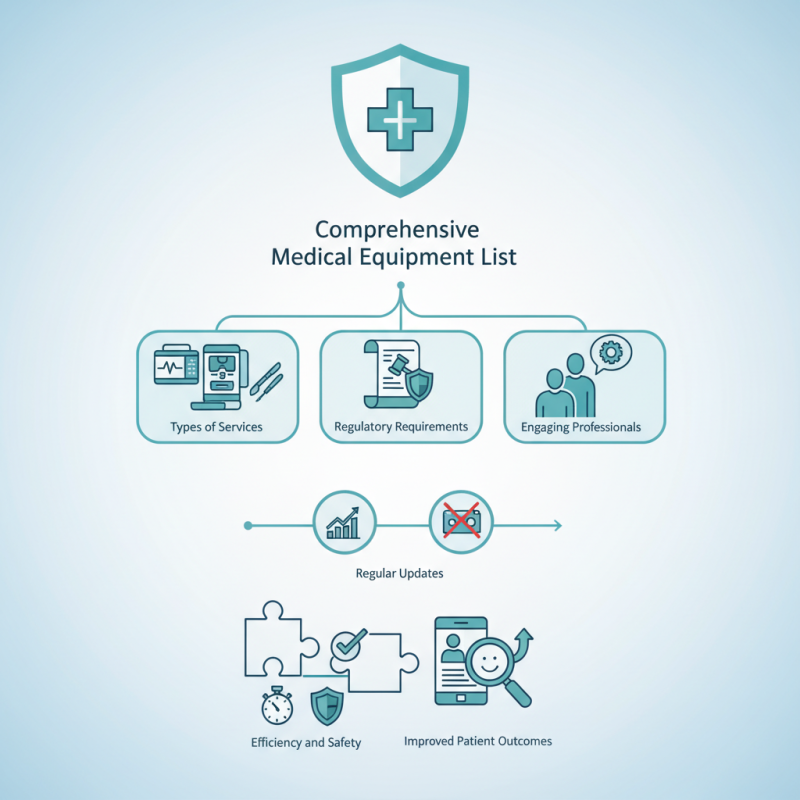
When developing this medical equipment list, you must consider various factors. These include the types of services offered and regulatory requirements. Engaging with healthcare professionals enhances the list's reliability. Regular updates are necessary to reflect new advancements and to phase out outdated equipment.
While it seems straightforward, many practices overlook critical items. This oversight can lead to operational inefficiencies. Each component should be evaluated regularly to ensure it meets current healthcare standards. By focusing on these details, your practice can provide better care and improve patient outcomes.
Identify the Essential Medical Equipment for Your Practice
Identifying essential medical equipment for your practice is critical for providing quality healthcare. Start by assessing your specialty. For example, a family practice requires different tools compared to a surgical center. Common items include examination tables, diagnostic devices, and sterile supplies. Ensure you prioritize equipment that improves patient safety and care efficiency.
Consider the layout of your practice. Space constraints can affect equipment choice. Utilize compact models if necessary. Regularly evaluate your equipment needs based on patient volume. Noticeable changes in patient demographics may signal the need for additional tools. Engage with your staff for feedback; they often have valuable insights on improvement areas.
Investing in training is equally vital. Without proper use, even the best equipment can become ineffective. Create a checklist for maintenance and suggest periodic reviews. Reflect on whether equipment meets current health standards. Adapting to technological advancements can enhance your practice. Stay informed about emerging tools that can benefit your patients.
How to Create a Comprehensive Medical Equipment List for Your Practice?
| Equipment Name | Category | Purpose | Estimated Cost |
|---|---|---|---|
| Digital Stethoscope | Diagnostic | To listen to heart sounds and monitor cardiovascular health | $250 |
| Ultrasound Machine | Imaging | To visualize internal organs and monitor fetal development | $30,000 |
| Electrocardiogram (ECG) Machine | Diagnostic | To assess heart rhythm and electrical activity | $5,000 |
| Patient Monitor | Monitoring | To continuously monitor patient vitals in real-time | $15,000 |
| Surgical Instruments Set | Surgical | To perform various surgical procedures | $2,500 |
| Diagnostic Lab Equipment | Laboratory | For performing lab tests and diagnostics | $20,000 |
Assess the Specific Needs Based on Patient Demographics
Assessing the specific needs based on patient demographics is crucial for creating a comprehensive medical equipment list. Understanding who your patients are can guide your decisions effectively. For instance, a practice serving elderly populations may require more mobility aids. This includes walkers and wheelchairs, which may not be necessary in a pediatrics-focused clinic.
Demographics play a significant role in determining what equipment is essential. A family practice in a community with high rates of chronic diseases will need different tools compared to a sports medicine clinic. Essential diagnostic devices, like blood pressure monitors and glucose meters, should be prioritized. Furthermore, it’s important to consider cultural factors that might influence care. Language barriers might necessitate additional support tools.
Creating this list is not a one-time task. Regular evaluations are necessary. Patient needs can evolve with trends in health and wellness. Keeping an open dialogue with patients can provide insights into what they require. Reflect on the equipment you currently have and how it aligns with your patient demographic. Adjust and add resources as necessary to provide the best care possible.
Research and Source Reliable Equipment Suppliers
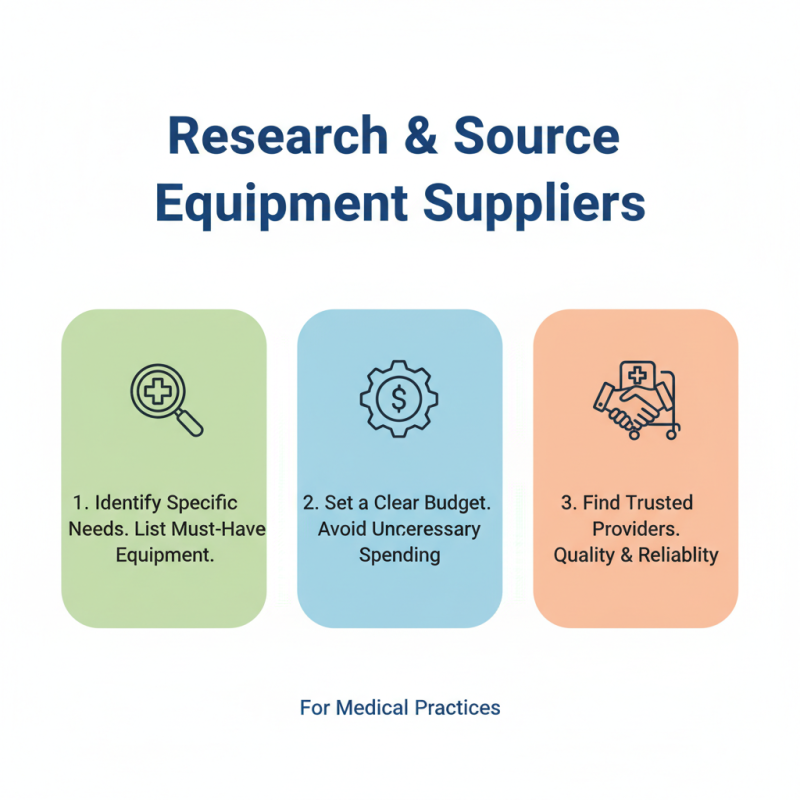
Sourcing reliable equipment suppliers is crucial for any medical practice. Begin by identifying your specific needs. This will help you understand what type of equipment is essential. Create a list of must-have items based on your practice's specialty. Be clear about your budget. It is easy to overspend on equipment that may not be necessary.
Once you know your requirements, research suppliers. Look for companies with a solid reputation in the industry. Check online reviews and testimonials from other healthcare providers. This can reveal the reliability of their products. Verify if they have experience in servicing similar practices. It is vital to ensure they understand your field.
Reach out directly to potential suppliers. Request quotes and product information. Ask about warranties and post-purchase support. This step can often expose gaps in their customer service. A supplier who engages actively can indicate their commitment to your satisfaction. Be cautious of overly sales-oriented representatives. Trust is built when they prioritize your needs over sales goals.
Determine Budget and Cost Considerations for Equipment Procurement
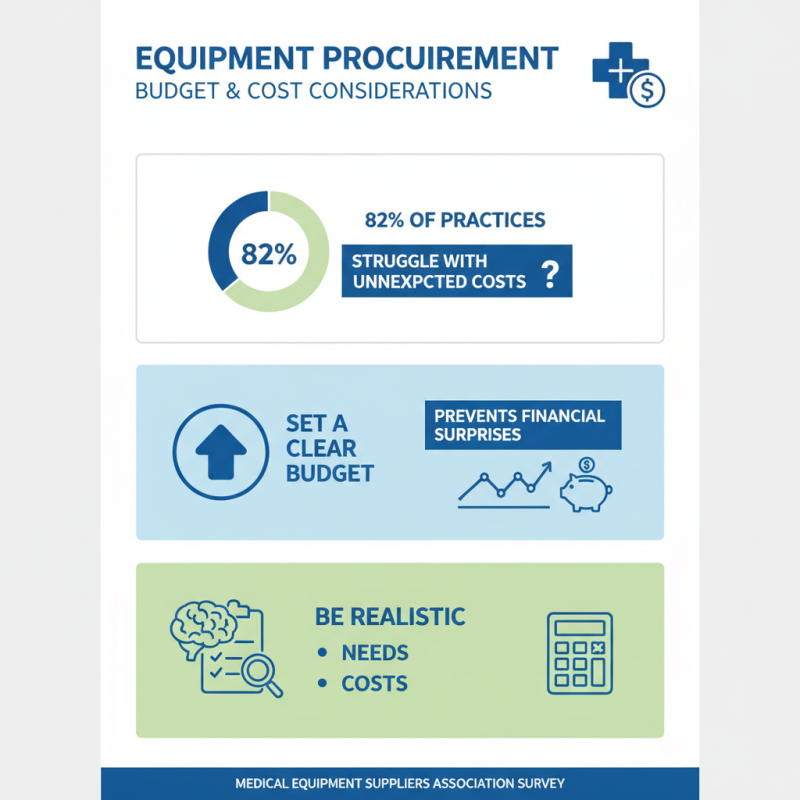
Determining your budget for medical equipment is crucial. A recent survey by the Medical Equipment Suppliers Association reported that 82% of practices struggle with unexpected equipment costs. Setting a clear budget helps prevent financial surprises. Be realistic about your needs and costs.
Consider both upfront and ongoing costs. First, assess the purchase price of each piece of equipment. Equipment rarely maintains its value. Regular maintenance and service contracts can add to your expenses. The same survey highlighted that 54% of practices underestimate these ongoing costs.
Evaluate financing options. Some practices opt for leasing as a way to manage cash flow. This can make high-quality equipment more accessible. It also allows flexibility for upgrades. However, be mindful of the long-term implications of leasing versus purchasing. Each decision can have significant financial impacts on your practice.
Establish a Maintenance and Inspection Schedule for Equipment
Establishing a maintenance and inspection schedule for medical equipment is crucial in any practice. Regular checks ensure that devices work correctly and safely. Equipment like ultrasound machines or X-ray units require specific protocols for inspection. Set clear timelines for when each piece of equipment should be evaluated. For high-use items, consider weekly inspections. For lesser-used devices, monthly checks may suffice.
Moreover, involve your team in the process. Educate them on how to identify warning signs of malfunction. If a device is not functioning as expected, it can jeopardize patient safety. Document each inspection meticulously. Use checklists to track maintenance tasks and outcomes. This documentation serves as a reliable record and can highlight recurring issues. Reflect on this data; it can reveal patterns that help in decision-making regarding repairs or replacements.
Setting up a proper schedule may feel overwhelming initially. It requires time and resources. However, the long-term benefits far outweigh these challenges. Investing in a structured maintenance plan can save money and enhance patient care.
Medical Equipment Maintenance and Inspection Schedule
The following chart illustrates the maintenance frequency for various medical equipment commonly found in practices, illustrating the importance of regular inspections to ensure optimal performance and safety.
Related Posts
-
10 Essential Health Equipment Tips for a Healthier Lifestyle?
-
Top Health Equipment for Home You Should Consider?
-
Top 10 Handicap Equipment Store Choices for Enhanced Mobility and Independence?
-
Where to Find the Best Handicap Equipment Store Online
-
Top 10 Essential Medical Equipment for Home Care You Need to Know?