
How to Source Direct Medical Equipment in 2026?
Sourcing direct medical equipment in 2026 requires more than comparing catalog prices. Hospitals, clinics, and distributors must verify performance, traceability, service capacity, and supplier reliability before signing a purchase agreement. A low quotation can hide weak documentation, delayed spare parts, or unclear warranty terms. That risk becomes visible when a monitor fails during a busy emergency shift.
Paul Yock, founder of Stanford Biodesign and a recognized medical-device innovation expert, has emphasized, “Innovation is a process, not a product.” His observation applies directly to equipment sourcing. Buyers should examine how a device was designed, tested, maintained, and improved after real clinical use. Technical specifications matter. So do user training, cybersecurity controls, calibration records, and post-sale support.
A practical sourcing process begins with a written clinical requirement. It should identify patient needs, operating conditions, expected workload, and essential accessories. Buyers can then assess qualified manufacturers through factory audits, sample inspections, reference checks, and transparent quality records. Independent verification is valuable, especially when supplier claims appear unusually strong.
Still, no sourcing method is perfect. A certified supplier may experience production delays. A familiar brand may provide disappointing support in a new market. That uncertainty deserves attention, not concealment. This guide explains how to source direct medical equipment responsibly in 2026, while balancing clinical safety, total ownership cost, regulatory expectations, and long-term usability. Procurement teams should remain cautious, document every decision, and be willing to revisit assumptions when evidence changes.
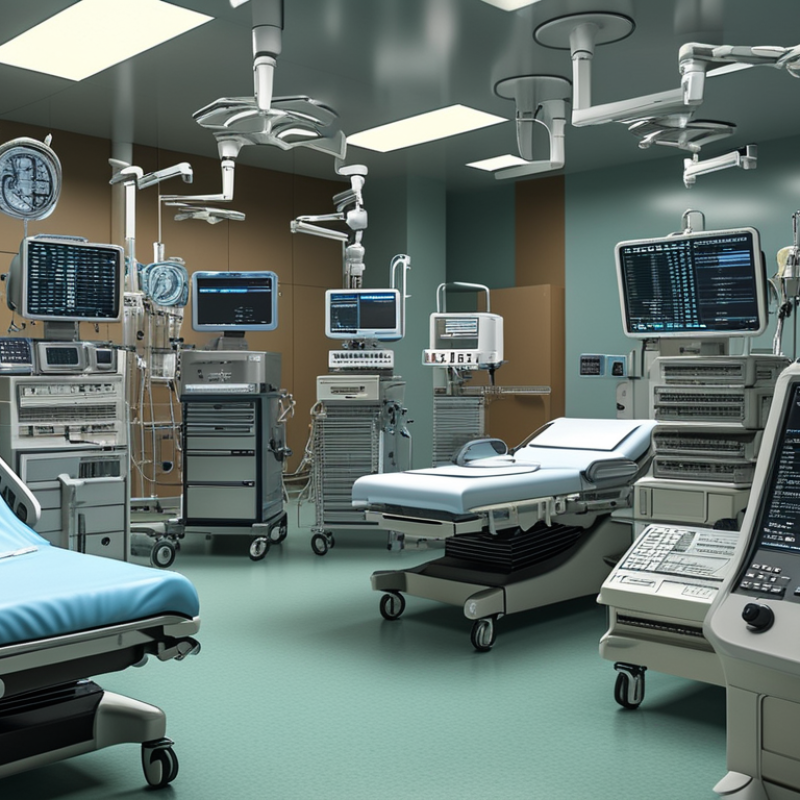
Define Direct Medical Equipment Sourcing and Its 2026 Role
How to Source Direct Medical Equipment in 2026?
Direct medical equipment sourcing means purchasing devices from qualified manufacturers or authorized production partners. It reduces unnecessary distribution layers. However, it does not mean choosing the lowest quoted price.
In 2026, the model will support stronger traceability, faster replenishment, and clearer quality accountability. Buyers should verify manufacturing records, clinical documentation, calibration certificates, cybersecurity controls, and post-sale service capacity. The World Health Organization’s Global Atlas of Medical Devices reports major equipment shortages across many health systems, especially in lower-resource settings. This makes dependable sourcing a clinical issue, not merely a purchasing decision. A delayed monitor or failed sterilizer can disrupt an entire treatment area.
Market data also signals growing pressure. Grand View Research valued the global medical devices market at over 500 billion US dollars in the early 2020s, with continued expansion expected through the decade. Yet direct procurement is not automatically cheaper. Field audits often reveal hidden costs in shipping, installation, staff training, spare parts, and regulatory testing. The OECD’s health system studies repeatedly connect procurement quality with resilience and patient safety. In practice, a 2026 sourcing plan should compare total lifecycle cost, not only the invoice. That lesson remains uncomfortable. Many teams still evaluate equipment like ordinary commodities. Medical equipment is different. Its real value appears during maintenance, emergencies, and clinical use.
How to Source Direct Medical Equipment in 2026? - Define Direct Medical Equipment Sourcing and Its 2026 Role
| Sourcing Dimension | Definition or 2026 Practice | Measurable Data Points | Required Verification Evidence |
|---|---|---|---|
| Direct medical equipment sourcing | Purchasing medical devices or equipment directly from the manufacturer or an authorized source instead of relying on multiple layers of distribution. | Number of intermediaries; direct contract status; total landed cost; warranty response time. | Signed supply agreement, authorization evidence, product traceability records, warranty terms and after-sales service commitments. |
| Equipment categories | Common direct-sourcing categories include diagnostic imaging, patient monitoring, laboratory equipment, surgical equipment, sterilization systems, respiratory devices and hospital furniture. | Intended use; risk class; annual demand; installation requirements; serviceable life. | Technical specification, intended-use statement, risk classification and site-readiness checklist. |
| Regulatory conformity | The equipment must meet the regulatory requirements of the destination market. Requirements differ by jurisdiction and device classification. | Registration status; applicable conformity route; certificate validity; unresolved nonconformities. | Declaration of conformity, market authorization or registration record, labeling samples and applicable regulatory certificates. |
| Quality management system | A qualified manufacturer should operate a documented medical-device quality system. ISO 13485 is widely used as the international quality-management benchmark for medical devices. | Certificate scope; certificate expiry date; audit findings; corrective-action closure rate. | Current ISO 13485 certificate, audit report or supplier-quality assessment, quality agreement and CAPA records where applicable. |
| Risk management and safety | Risk controls should cover clinical hazards, electrical safety, usability, maintenance, transport and foreseeable misuse. ISO 14971 is the recognized framework for medical-device risk management. | Risk-control coverage; critical failure modes; preventive-maintenance interval; incident rate. | Risk-management file summary, safety test reports, usability documentation and preventive-maintenance schedule. |
| Electrical and functional testing | Electrical medical equipment should be evaluated against applicable safety and essential-performance requirements, commonly including the IEC 60601-1 family. | Test completion; leakage-current results; alarm performance; calibration status; acceptance-test pass rate. | Independent or accredited laboratory reports, factory acceptance test records, calibration certificates and installation qualification documents. |
| UDI and traceability | Unique Device Identification supports identification and traceability. The exact UDI obligations depend on the destination market and device type. | UDI availability; lot or serial-number capture rate; recall-trace time; record completeness. | UDI or equivalent identifier, packaging labels, serial-number records, delivery documentation and recall procedure. |
| Cybersecurity and connected devices | Connected equipment should be assessed for authentication, access control, software updates, vulnerability handling, logging, network segregation and data protection. | Supported software version; vulnerability-response time; patch-support period; encryption status; user-access levels. | Cybersecurity architecture, software bill of materials where available, vulnerability-disclosure policy, update procedure and security test summary. |
| Total cost of ownership | Direct sourcing should be evaluated using the full lifecycle cost rather than the purchase price alone. | Purchase price; freight and duties; installation; training; consumables; maintenance; energy use; disposal cost. | Five-year or lifecycle cost model, quotation comparison, service-rate card, consumables schedule and decommissioning plan. |
| Lead time and supply continuity | A 2026 sourcing plan should evaluate production capacity, component dependency, logistics routes, spare-parts availability and contingency options. | Quoted lead time; on-time delivery rate; order-completion rate; safety-stock days; single-source exposure. | Capacity statement, supply-continuity plan, approved-substitute policy, inventory policy and escalation contacts. |
| Installation and validation | Large or regulated equipment may require site preparation, installation qualification, operational qualification, performance checks and user training. | Installation completion time; acceptance-test pass rate; training-hours per user; equipment availability after commissioning. | Site-readiness report, IQ/OQ/PQ records where applicable, acceptance certificate, training records and handover documents. |
| After-sales service | A direct contract can clarify technical support, spare parts, preventive maintenance, software support, warranty coverage and field-safety communication. | Warranty duration; first-response time; mean time to repair; spare-parts fill rate; annual uptime. | Service-level agreement, warranty policy, spare-parts list, escalation process and field-service qualification records. |
| 2026 strategic role | Direct sourcing supports greater visibility, stronger traceability, more predictable lifecycle costs and closer coordination on compliance, digital security and service continuity. | Supplier concentration; verified-cost savings; audit completion; equipment uptime; traceability coverage; risk-reduction actions closed. | Annual supplier scorecard, risk register, contract-review minutes, audit plan, performance dashboard and documented improvement actions. |
Note: Regulatory, registration, labeling, cybersecurity and post-market obligations vary by destination market, device classification and intended use. Requirements should be confirmed with the relevant competent authority before purchase or import.
Related Posts
-
2026 Best Medical Supplies Equipment for Global Buyers?
-
How to Source Direct Medical Equipment Globally in 2026?
-
Top 10 Handicap Equipment Store Choices for Enhanced Mobility and Independence?
-

How to Choose the Best Health Equipment Store for Your Needs?
-

2026 How to Choose the Best Medical Equipment Solutions for Your Practice?
-

China Best Home Healthcare Equipment Options for Your Needs?
 USA
USA Human Care International
 Human Care Canada
 Human Care Sweden
  Human Care Netherlands
  Human Care Germany
  Kenmak Kenmak
  Petermann