What is Medical Equipment Parts and Their Importance in Healthcare?
Medical equipment parts play a vital role in the healthcare system. These components ensure that medical devices function properly. From surgical instruments to diagnostic machines, each part contributes to patient care. Without them, the reliability of equipment significantly decreases.
The importance of medical equipment parts extends beyond basic functionality. Quality components enhance the safety and efficiency of healthcare services. For instance, a single malfunctioning part can lead to severe consequences in a clinical setting. Hospitals must maintain rigorous standards for these parts to ensure optimal performance.
However, challenges exist in sourcing and maintaining medical equipment parts. Availability and cost can sometimes hinder healthcare facilities. It is crucial to reflect on how these factors impact patient care. As medical technology advances, the focus should remain on ensuring that equipment parts meet the highest standards.
What are Medical Equipment Parts?
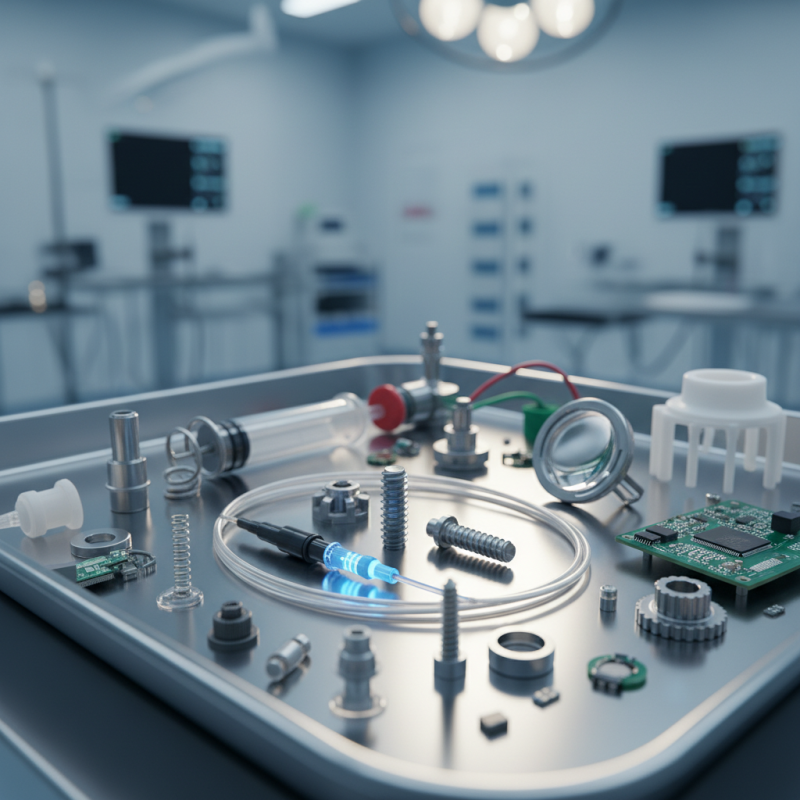
Medical equipment parts are essential components that ensure the effective functioning of various medical devices. They include items like sensors, batteries, and circuit boards. Each part plays a specific role in the overall operation of equipment such as diagnostic machines and surgical instruments. For instance, sensors detect vital signs like heart rate. Without reliable sensors, accurate monitoring becomes a challenge.
Understanding the makeup of medical equipment parts is crucial in healthcare settings. Technicians and healthcare professionals must be aware of how these parts interact. A malfunctioning battery may lead to device failure during critical moments. This situation raises the need for robust maintenance practices. Regular checks can help identify wear and tear. It's vital to have spare parts on hand for urgent replacements. Such preparation can save lives.
There’s often less attention given to the parts compared to the devices themselves. This oversight can lead to significant issues. A simple error in one component might render an entire machine useless. Therefore, recognizing the importance of each part can enhance patient safety and treatment efficacy. Investing in knowledge about these components is invaluable for anyone involved in healthcare.
Types of Medical Equipment Parts in Healthcare
In the healthcare sector, medical equipment parts play a crucial role. They ensure that devices operate effectively and safely. Each component contributes to the overall functionality of medical equipment. For example, sensors, valves, and circuits are vital for devices such as MRI machines and ventilators. According to a report from the Global Medical Device Parts Market, the sector is projected to grow at a compound annual growth rate (CAGR) of 12% from 2022 to 2028. This surge highlights the significance of quality parts in innovative healthcare solutions.
One can categorize medical equipment parts into various types. These include mechanical parts, electrical components, and software systems. Mechanical parts, such as gears and levers, enhance device mobility. Meanwhile, electrical components like batteries and circuit boards are essential for power management. Software systems facilitate data collection and device operation. An effective blend of these parts improves diagnostic accuracy and patient outcomes. Despite advancements, inconsistency in quality remains a concern. Without proper regulation, some components may not meet industry standards.
The importance of reliable medical equipment parts cannot be overstated. They impact not just equipment functionality, but also patient safety. A study from the Journal of Medical Devices noted that approximately 20% of device failures stem from part malfunctions. Ensuring these components meet rigorous quality standards is crucial. Despite innovations, the industry must continue to strive for improved materials and designs. The challenge is to provide safety and effectiveness without compromising advancement.
The Role of Medical Equipment Parts in Patient Care
Medical equipment parts play a crucial role in healthcare systems. They directly influence patient care quality. Each component, from sensors to connectors, ensures that machines operate effectively. A study by the Medical Device Innovation Consortium found that nearly 30% of medical equipment failures are linked to part malfunctions. This statistic highlights the importance of reliable parts in maintaining patient safety.
In surgical settings, precise equipment function is essential. Faulty components can lead to surgical delays or complications. Hospitals conduct routine checks to minimize such risks. However, these checks often reveal that training staff on equipment handling is just as vital. Inadequate knowledge can lead to improper usage, even with functioning parts.
Additionally, the growing number of aging medical devices raises concerns. According to a report by the World Health Organization, over 50% of medical equipment in low-resource settings remains unused due to missing or faulty parts. This indicates a system failure that needs addressing. Poor management of equipment maintenance can seriously affect patient outcomes and healthcare efficiency.
What is Medical Equipment Parts and Their Importance in Healthcare? - The Role of Medical Equipment Parts in Patient Care
| Part Name |
Function |
Importance in Patient Care |
Maintenance Requirements |
| Heart Monitor Sensors |
Detect and monitor heart rhythms |
Critical for assessing heart conditions |
Regular calibration and cleaning |
| Infusion Pump Tubing |
Delivers fluids and medications |
Essential for accurate medication delivery |
Replace regularly to prevent blockages |
| X-ray Machine Filtration |
Enhances image quality |
Crucial for accurate diagnostics |
Check for wear and replace as needed |
| Dialysis Machine Filters |
Cleans blood during dialysis |
Vital for patient safety and efficacy |
Monitor pressure and replace regularly |
| Ventilator Circuit Tubing |
Delivers air and oxygen to patients |
Critical for respiratory support |
Daily inspection and cleaning required |
Importance of Quality and Safety in Medical Equipment Parts
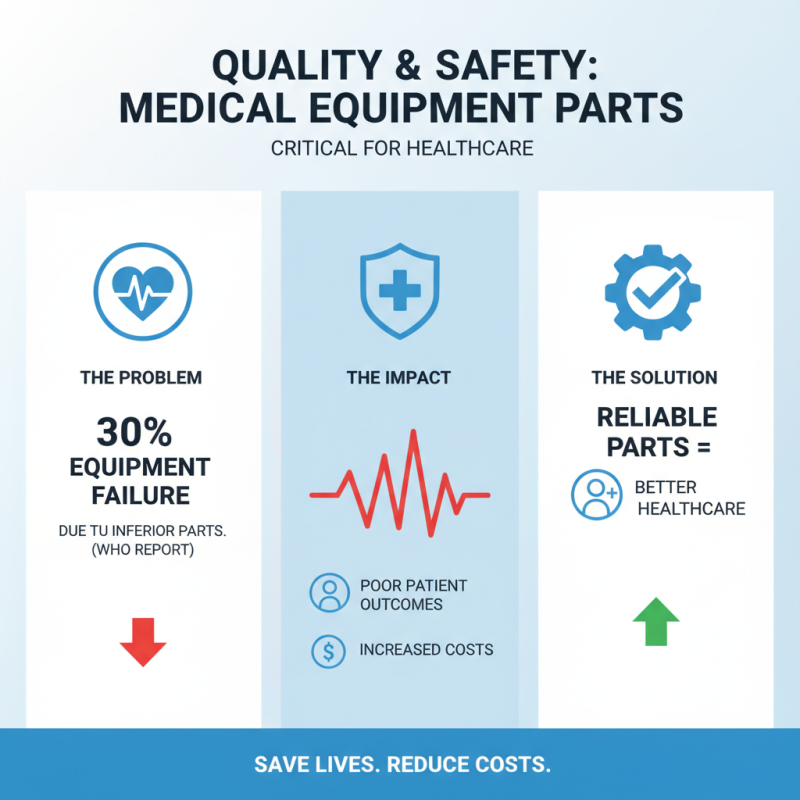
In the healthcare sector, the quality and safety of medical equipment parts play a critical role. According to a report by the World Health Organization, about 30% of medical equipment is not functioning properly due to inferior parts. These failures can result in poor patient outcomes and increased costs for healthcare facilities.
When equipment malfunctions, patient safety is at risk. A study published in the Journal of Patient Safety highlighted that improper maintenance and low-quality components were significant contributors to medical errors. Healthcare providers must ensure that the parts they use meet strict regulations. According to the FDA, 20% of medical device recalls stem from issues related to component quality. This statistic emphasizes the need for vigilance in sourcing these essential parts.
Despite advances in technology, many hospitals still face difficulties in ensuring consistent quality. A survey revealed that 42% of healthcare professionals expressed concerns about the reliability of medical equipment parts. Addressing these challenges is vital. It requires ongoing education and rigorous quality control processes. Continuous improvement in these areas can enhance safety outcomes for patients.
Challenges in Sourcing and Maintaining Medical Equipment Parts
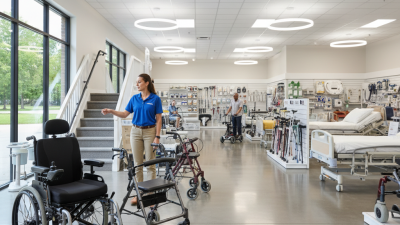
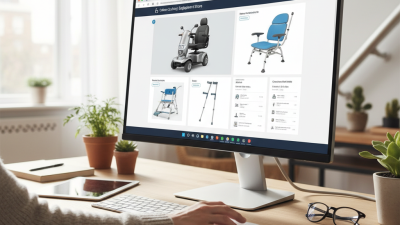
Sourcing and maintaining medical equipment parts presents significant challenges for healthcare providers. The increasing complexity of modern medical devices makes it difficult to find compatible parts. Many suppliers may not stock the necessary components. This leads to delays in repairs, impacting patient care.
Additionally, the need for specialized knowledge complicates the maintenance process. Technicians must understand the intricacies of each piece of equipment. Unfortunately, training resources are often limited. This gap in expertise can result in improper repairs. Such missteps not only waste resources but may also compromise safety.
Furthermore, managing inventory is a persistent challenge. Facilities often face budget constraints, leading to a shortage of critical parts. An unprepared facility can experience extended downtimes. This is particularly troubling in emergency situations. Therefore, developing strong supplier relationships is crucial. A dependable partnership can enhance access to essential parts, ultimately improving healthcare outcomes.
Challenges in Sourcing and Maintaining Medical Equipment Parts



 USA
USA Human Care International
 Human Care Canada
 Human Care Sweden
  Human Care Netherlands
  Human Care Germany
  Kenmak Kenmak
  Petermann