Top 10 Home Health Equipment Buyers Guide for Global Procurement?
The demand for home health equipment has surged significantly in recent years. According to a report by Fortune Business Insights, the global home healthcare market was valued at approximately $281.8 billion in 2021 and is expected to grow at a compound annual growth rate (CAGR) of 8.5% from 2022 to 2028. This growth is driven by an aging population and an increasing number of chronic diseases.
As more individuals seek care in the comfort of their own homes, selecting the right home health equipment becomes crucial. Proper equipment can enhance patient independence and improve health outcomes. Yet, the plethora of options can be overwhelming for buyers trying to make informed decisions. Many challenges arise, including understanding product specifications, navigating supplier networks, and assessing cost vs. value.
In navigating this landscape, experience and expertise are essential. Buyers must be cognizant of evolving technologies and patient needs. Ultimately, making informed choices in home health equipment can not only improve the quality of care but also ensure that investment leads to better health results.
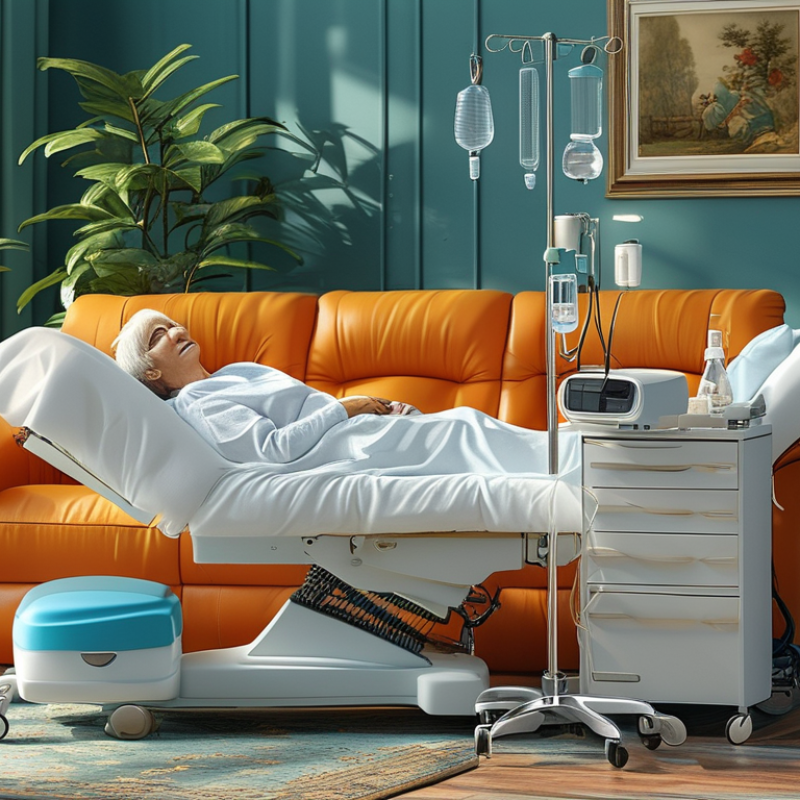
Understanding Home Health Equipment and Its Importance
Home health equipment plays a crucial role in improving patients' quality of life. It enhances recovery at home rather than in a hospital, allowing for personalized care. According to a report by Grand View Research, the global home health equipment market is projected to reach USD 121.2 billion by 2027, growing at a CAGR of 7.9%. This surge indicates rising demand for safety, comfort, and independence in home care.
Equipment such as mobility aids, monitoring devices, and therapeutic machines is essential. They enable patients to manage their health challenges more effectively. A study published in the Journal of Telemedicine and e-Health indicates that remote monitoring can reduce hospital readmissions by up to 30%. Such data highlights the importance of investing in quality equipment for at-home treatment.
However, not all equipment is created equal. The rapid pace of market growth can lead to inconsistencies in quality and effectiveness. Consumers are often overwhelmed by options, and misinformation can prevail. It is crucial for buyers to consider factors like reliability and ease of use when making purchasing decisions. Researching user reviews and clinical studies helps ensure that the equipment chosen meets the highest standards for home health care.
Top 10 Home Health Equipment Buyers Guide for Global Procurement
| Equipment Type |
Importance |
Key Features |
Average Price (USD) |
Recommended for |
| Blood Pressure Monitor |
Essential for monitoring hypertension |
Digital display, Bluetooth connectivity |
50 - 150 |
Diabetics, Elderly |
| Pulse Oximeter |
Crucial for monitoring oxygen saturation |
Portable, easy-to-read display |
20 - 50 |
Heart patients, athletes |
| Mobility Walker |
Supports mobility for the elderly |
Foldable, lightweight design |
70 - 200 |
Elderly, rehabilitation |
| Shoulder Rehabilitation Device |
Aids recovery from shoulder injuries |
Adjustable resistance, user-friendly |
150 - 400 |
Physiotherapy patients |
| Wheelchair |
Essential for those with mobility issues |
Comfortable seating, detachable footrests |
200 - 800 |
Disabled, elderly |
| Home Dialysis Machine |
Allows patients to perform dialysis at home |
Automated functions, patient-friendly |
2000 - 5000 |
Kidney failure patients |
| Therapeutic Mattress |
Reduces bedsores for immobile patients |
Pressure redistribution, breathable |
300 - 1000 |
Bedridden patients |
| CPAP Machine |
Treats obstructive sleep apnea |
Auto-adjust pressure settings, quiet operation |
500 - 2500 |
Sleep apnea patients |
| Medical Alert System |
Provides emergency assistance |
Wearable, 24/7 monitoring |
30 - 100 monthly |
Elderly, disabled |
Key Considerations for Buying Home Health Equipment
When purchasing home health equipment, buyers must prioritize specific factors. Understanding user needs is crucial. A report by Grand View Research highlights that the global home healthcare market is projected to reach $515.6 billion by 2027. This growth indicates an increasing demand for reliable and effective equipment.
Quality must not be overlooked. Equipment should meet regulatory standards. Buyers should check certifications and review product safety data. A report from the World Health Organization emphasizes the importance of using certified medical devices to ensure patient safety and efficacy. Regular maintenance and support should also be considered. Many buyers underestimate the need for ongoing service, leading to potential equipment failure.
Cost-effectiveness is another major consideration. Buyers should evaluate long-term expenses, not just initial costs. A study from Frost & Sullivan shows that the total cost of ownership significantly impacts healthcare budgets. Sometimes, low prices may indicate lower quality, leading to higher long-term costs. Evaluating warranty options and repair services can provide a clearer picture of potential expenses. Relying solely on price may seem practical, but it often requires deeper reflection.
Top 10 Home Health Equipment Buyers Guide for Global Procurement
This chart illustrates the market share of different categories of home health equipment, highlighting key areas to consider for procurement. Mobility aids lead the market, followed by monitoring devices and daily living aids, emphasizing the importance of these products in home healthcare.
Top 10 Essential Home Health Equipment Items
When considering essential home health equipment, there are key items that enhance quality of life.
Mobility aids stand out as crucial.
A sturdy walker can provide support and independence. Patients may find themselves hesitant to use aids, fearing stigma.
Education about the benefits can help them embrace these tools.
Monitoring devices, like blood pressure monitors, are also vital.
Regular tracking empowers patients and provides data for doctors. Many people may not understand the importance of consistent monitoring.
Encouraging routine checks can prevent serious health issues.
Personal care items, such as shower chairs, are often overlooked.
These items enhance safety and comfort in daily routines. Users might resist these aids, viewing them as a sign of decline.
Encouragement from family and healthcare professionals can change perceptions.
Trusting the process of adapting to these tools is crucial for better health outcomes.
Global Procurement Strategies for Home Health Equipment
When it comes to sourcing home health equipment, organizations must adopt strategic procurement methods. A report by IBISWorld highlighted that the home health care equipment market is projected to grow significantly. By 2025, the market could reach $11 billion, driven by an aging population and increased chronic health conditions. Understanding this landscape is vital for effective procurement strategies.
One key consideration is evaluating suppliers based on reliability and quality standards. Suppliers should comply with ISO certification requirements. Research by MarketsandMarkets indicates that non-compliance could result in 30% of products being recalled. Moreover, establishing strong communication channels with suppliers can enhance quality assurance and responsiveness. This step is crucial, as delays or errors in procurement can impact patient care.
Additionally, organizations should conduct regular market assessments. These assessments help identify trends, pricing changes, and new technologies that can improve service delivery. However, balancing cost with quality remains a challenge. A significant amount of organizations reported that price pressures led to reduced quality in equipment. This scenario highlights the need for careful decision-making in procurement processes to safeguard patient outcomes.
Assessing Quality and Compliance in Home Health Equipment Purchases
When purchasing home health equipment, quality and compliance must be top priorities. Buyers often overlook the importance of certification. Equipment should meet national safety standards. This ensures safety for users. Quality also impacts performance. Poor-quality equipment may fail when needed most.
Buyers should conduct thorough research. Look for suppliers with a proven track record. Verify their compliance with regulatory bodies. Request detailed documentation. This includes user manuals and safety certificates. It's essential to understand warranty terms as well. A robust warranty can reflect the manufacturer’s confidence in their product.
Investing in home health equipment is not a one-time decision. Regular updates and maintenance are required. Health technology evolves rapidly. Sometimes, outdated equipment can jeopardize a patient's health. Reflecting on these aspects makes it clear that purchasing decisions require diligence and forethought. Prioritizing compliance can lead to better patient outcomes in the long run.




 USA
USA Human Care International
 Human Care Canada
 Human Care Sweden
  Human Care Netherlands
  Human Care Germany
  Kenmak Kenmak
  Petermann