What Are the Top Types of Home Care Medical Equipment?
Home care medical equipment can make daily routines safer and more manageable for people recovering from illness, living with chronic conditions, or needing extra support. The right equipment depends on a person’s abilities, home layout, and care plan. A walker may help with short trips across a room, while a wheelchair may be more suitable for longer distances. Hospital-style beds, transfer aids, and bathroom safety equipment can also support comfort and reduce strain on caregivers. Small details matter. Doorway width, floor surfaces, and storage space can affect whether equipment works well at home.
Some equipment helps monitor health, such as blood pressure monitors, thermometers, and pulse oximeters. Other products support specific care needs, including oxygen equipment, nebulizers, or supplies for wound care. These devices are not interchangeable, and some require instruction or professional oversight. A clinician or qualified equipment provider can help assess fit, safe use, and maintenance needs. Even so, a product that appears helpful in a catalog may feel awkward in a real home. That is worth considering before purchase.
This guide explores the top types of home care medical equipment and the practical needs they may address. It also considers questions about safety, accessibility, upkeep, and caregiver support. The goal is not to suggest that one device suits everyone, but to explain common options clearly. A well-chosen aid can help; a poor fit can create new difficulties.
## What Home Care Medical Equipment Includes
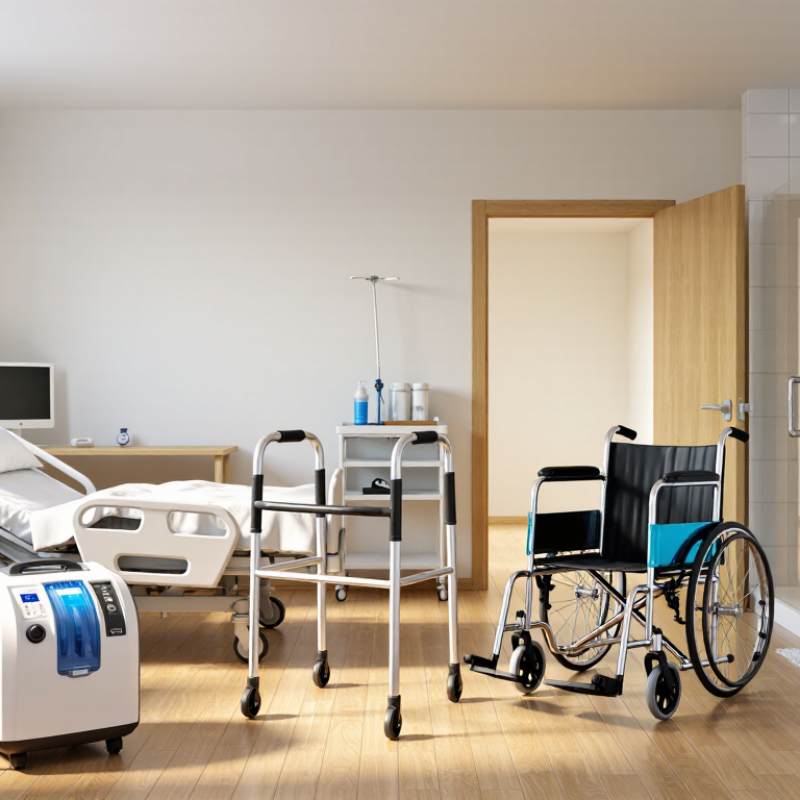
Home care medical equipment includes devices used to support treatment, mobility, safety, and everyday activities at home. The category ranges from hospital beds and wheelchairs to oxygen equipment, walkers, transfer aids, and bathroom grab bars. The U.S. Centers for Medicare & Medicaid Services describes durable medical equipment as reusable equipment intended for home use, such as wheelchairs, hospital beds, and oxygen equipment. A clinician’s assessment helps determine what is appropriate; a device should match the person’s needs and the space available.
Some equipment supports daily monitoring or treatment, including blood pressure monitors, glucose meters, nebulizers, and wound-care supplies. Other items make routine tasks safer, such as shower chairs, raised toilet seats, and non-slip mats. Fit matters. A walker may suit someone’s height but still be difficult to turn in a narrow hallway. Small details count, and home measurements are easy to overlook.
The World Health Organization and UNICEF reported in their 2022 Global Report on Assistive Technology that more than 2.5 billion people need at least one assistive product, with this number potentially reaching 3.5 billion by 2050.
This broad estimate includes assistive products beyond medical equipment used at home, but it shows the scale of support needs. Equipment choices should also consider caregiver capacity, maintenance, and whether the user can operate each device safely. Needs can change, too. A setup that works today may need adjustment later.
## Mobility and Transfer Equipment for Safer Movement
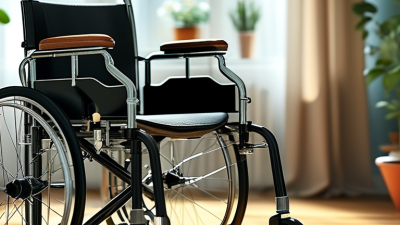
Mobility and transfer equipment can make everyday movement safer at home. A properly fitted cane or walker may steady a person on the short walk from bedroom to bathroom. Wheelchairs help when walking becomes tiring, while grab bars can support controlled movement near toilets and showers. The Centers for Disease Control and Prevention reports that about one in four adults aged 65 and older falls each year. Equipment cannot prevent every fall, but an occupational or physical therapist can assess fit, strength, and home layout. A walker set too low can encourage a stooped posture. Small details matter.
Transfers need equally careful planning. Transfer boards can bridge a bed and wheelchair when a person has enough upper-body control. Gait belts may help trained caregivers guide some standing transfers; they are not suitable for every person or situation. For people who cannot safely bear weight, a mechanical lift may be more appropriate, with caregiver instruction. The WHO and UNICEF’s 2022 Global Report on Assistive Technology estimates that 2.5 billion people need one or more assistive products worldwide. This broad figure is not specific to home-care equipment, but it underscores the scale of support needs. Clear floor space, locked wheelchair brakes, and dry floors can reduce avoidable hazards. Yet no device fixes a poor transfer technique; families may need practice, and sometimes the setup still needs rethinking.
Mobility and Transfer Equipment: Key Space Measurements
These U.S. ADA reference measurements can help when planning spaces for wheelchairs, walkers, and transfer equipment: a 36-inch accessible route, 32-inch minimum clear door opening, 60-inch turning space, and 12 inches of ramp run per inch of rise. ADA requirements may not apply to every private residence; check local codes and consult a qualified professional.
## Respiratory and Oxygen Support Devices
Respiratory support at home may include oxygen concentrators, portable oxygen cylinders, nebulizers, or prescribed breathing devices. Each serves a different purpose. A concentrator draws oxygen from room air, while a cylinder stores a limited supply. A nebulizer turns prescribed liquid medicine into a mist; it does not provide oxygen. CPAP or BiPAP devices support breathing during sleep, but they are not oxygen substitutes unless a clinician specifically prescribes added oxygen.
Choosing equipment should follow a healthcare professional’s assessment, not a single oxygen reading or a family member’s guess. Check that tubing reaches safely from the device to the chair or bed, and learn how to respond to alarms or power loss. Keep oxygen equipment away from flames, heat, and smoking. Small details matter. A kinked tube behind a bedside table can interrupt flow, and equipment that feels confusing may be used incorrectly. Ask for a hands-on demonstration and clear written instructions.
Tips: Confirm the prescribed flow setting; never change it without clinical guidance. Keep vents unobstructed, inspect tubing for cracks, and arrange backup power or oxygen as advised by the care team. Write down whom to call if breathing worsens. Even careful routines can miss something, so review the setup with a clinician when needs change.
## Monitoring Equipment for Tracking Health at Home
Home monitoring equipment helps people notice changes between medical appointments. A blood pressure monitor can show patterns, but cuff fit matters. Sit quietly for five minutes, keep both feet flat, and support your arm at heart level. Take readings at a consistent time when possible. Small details matter. A thermometer offers a quick temperature check, while a pulse oximeter estimates blood oxygen. A glucose meter measures blood sugar, and a scale can reveal gradual weight changes that may be relevant for some conditions.
Use each device according to its instructions and any care plan from your clinician. Cold fingers or movement can affect pulse oximeter readings; warm your hands and remain still before repeating a result. For blood sugar, follow the testing schedule you were given. Keep a simple log with the reading, time, and any symptoms. One reading is not the whole story. Devices can give inconsistent results, and home measurements do not replace professional assessment. If a number seems unusual, repeat it correctly and contact your care team for advice. Don’t adjust medicines based on a single measurement unless your clinician has told you how.
What Are the Top Types of Home Care Medical Equipment? — Monitoring Equipment for Tracking Health at Home
| Equipment |
What It Measures |
Common Home Use |
Helpful Considerations |
| Digital blood pressure monitor |
Systolic and diastolic blood pressure, and pulse rate |
Recording blood pressure readings for people monitoring hypertension or following a clinician’s care plan |
Use a correctly sized cuff and follow the device instructions. Rest quietly before measuring, and keep the arm supported at heart level. |
| Blood glucose meter |
Blood glucose from a small blood sample |
Checking glucose levels as directed for diabetes management |
Use compatible test strips, keep supplies stored as instructed, and follow the care team’s guidance on when to test and how to respond to results. |
| Pulse oximeter |
Estimated blood oxygen saturation (SpO₂) and pulse rate |
Spot-checking oxygen saturation when recommended by a healthcare professional |
Cold hands, movement, nail polish, and circulation can affect readings. A reading is an estimate and should not replace assessment of symptoms or professional advice. |
| Digital thermometer |
Body temperature |
Checking for fever during illness or tracking temperature when advised |
Use the measurement method described in the instructions. Readings can vary by method, so use the same method when comparing results. |
| Weight scale |
Body weight |
Tracking weight trends, including when a clinician recommends regular monitoring |
For more consistent comparisons, weigh at a similar time of day, on the same scale, and under similar conditions. Report notable changes as instructed. |
| Peak flow meter |
Peak expiratory flow: how quickly a person can blow air out |
Monitoring asthma as part of an individualized action plan |
Technique affects results. Follow the prescribed plan for interpreting readings; a peak flow value alone does not diagnose an asthma flare. |
| ECG monitor |
Electrical activity of the heart, typically as a short recording |
Capturing a heart rhythm recording when recommended or when symptoms occur |
Home recordings may be limited and can contain artifacts. They do not rule out all heart problems; share recordings and symptoms with a healthcare professional. |
| Wearable activity or heart-rate monitor |
Measures such as movement, steps, and heart rate; features vary by device |
Observing activity patterns or recording selected trends over time |
Consumer measurements may not be equivalent to clinical readings. Check fit and instructions, and avoid relying on a single reading to make medical decisions. |
## Personal Care and Daily Living Aids
Personal care and daily living aids can make routine tasks safer and less tiring. A shower chair gives someone a place to sit while washing, especially when standing feels unsteady. Pair it with a handheld showerhead and a non-slip floor surface. Small changes matter. Properly installed grab bars near the shower or toilet offer support during transfers. They need to be secured to suitable wall framing or installed with appropriate hardware. Suction-cup handles may loosen, so they should not be treated as dependable fall protection. A raised toilet seat can reduce the effort of sitting down and standing up, but the right height depends on the user and toilet.
Dressing aids include long-handled shoehorns, sock aids, and reachers for picking up clothing. Adaptive utensils with wider, easier-to-grip handles may help people who have limited hand strength. Fit matters. A tool that works well in a shop may feel awkward at home; test it during the actual task when possible. No aid fits every person or room. Before buying equipment, consider the user’s balance, reach, grip, and ability to follow instructions. An occupational therapist or other qualified clinician can assess specific needs and suggest safe options. Check regularly for loose fittings, worn rubber tips, or a chair that shifts on a wet floor.

 USA
USA Human Care International
 Human Care Canada
 Human Care Sweden
  Human Care Netherlands
  Human Care Germany
  Kenmak Kenmak
  Petermann